
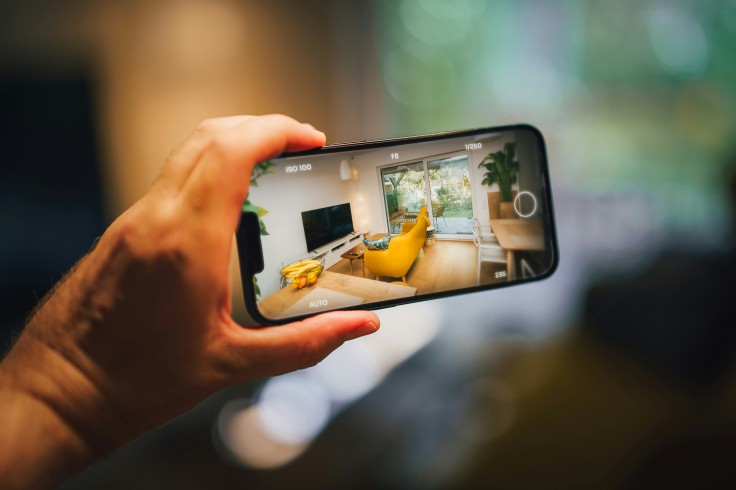
Smartphone cameras 2026 have shifted the conversation from raw megapixels to intelligent processing and versatile features. Leading devices now pack 1-inch sensors, variable apertures, and periscope zooms, while AI in smartphone photography handles low-light enhancement, real-time scene detection, and post-capture editing. Flagship phones deliver DSLR-like quality in handheld form, and mid-range devices adopt similar tricks at lower price points, proving computational power often outweighs sheer hardware size.
Beyond resolution, software optimizations define everyday shooting, from dynamic HDR stacking to semantic segmentation isolating subjects flawlessly. Users can relight portraits, remove unwanted objects, or enhance colors automatically. These advances make photography accessible, intuitive, and highly creative, positioning smartphone camera features and AI processing at the heart of modern mobile imaging.
Key Smartphone Camera Features Beyond Megapixels
Smartphone camera features in 2026 focus on versatility, giving users professional-level results without complex setups. Modern devices combine optical hardware and computational photography to create sharp, detailed images in every scenario. Features like zoom, aperture, and macro capabilities now outperform raw megapixel counts for practical photography.
- Periscope Zoom: Up to 10x lossless magnification using optical lenses and AI cropping; phones like Vivo X300 Pro rival DSLR reach.
- Variable Aperture: Switches from wide f/1.4 to narrow f/4.0 for bokeh or macro, adapting to lighting conditions.
- LOFIC Sensors: Stack photodiodes to maximize dynamic range in bright and low-light scenes.
- ALoP Prisms: Shrink 10x zoom modules to fit foldable smartphones without compromising optical quality.
- ProRes Log Recording: iPhone 17 Pro Max records flat video profiles for professional post-processing.
- Telephoto Macro Shots: Crop telephoto lenses for extreme close-ups down to 1cm while maintaining clarity.
- AI-RAW Processing: Hardware processes RAW bursts in milliseconds, optimizing exposure, focus, and color automatically.
AI in Smartphone Photography Transformations
AI in smartphone photography has transformed mobile imaging, enhancing creative control and usability. It analyzes scenes, lighting, and motion in real time, automating tasks that once required manual editing. From low-light enhancement to post-capture adjustments, AI now defines the quality of smartphone images.
- Scene Analysis: Detects subjects, lighting, and motion to apply appropriate adjustments automatically.
- Object Insertion & Relighting: Adds missing group members or adjusts lighting in portraits seamlessly.
- Long-Exposure Stacking: Combines multiple frames for star trails or smooth motion effects.
- Cinematic Bokeh: Enables post-shot focus shifts for professional-looking depth of field.
- 4K Stabilization: Combines OIS, EIS, and gyro data to reduce handheld shake in videos.
- HDR Scene Optimization: Merges exposures without halos, balancing shadows and highlights.
- Diffusion Upscaling: Enhances lower-resolution images, making a 12MP capture appear like 48MP.
- Smart Cropping: AI intelligently crops subjects for better composition, often outperforming human adjustments.
Zoom, Low-Light, and Mid-Range Smartphone Camera Features
Smartphone camera features shine in extreme conditions, from ultra-zoomed landscapes to dimly lit interiors. Devices like Huawei Pura 80 Ultra capture 110dB HDR in a single shot, freezing sunsets and city lights without blur. Oppo Find X8 Pro's triple prism optics deliver 6x lossless zoom, while low-light ISOCELL HP9 sensors record 14-bit RAW at zero shutter lag.
Mid-range smartphones now leverage AI in smartphone photography to democratize these tools. Pixel 9a's 48MP sensor and Snapdragon 7 Gen 3 chipset enable on-device AI upscaling, 16-stop HDR, and macro work, matching some 2024 flagship results. With computational photography, variable apertures, and periscope lenses, affordable devices can handle tasks that once required professional cameras, expanding access to creative photography.
Strategies to Maximize Smartphone Cameras 2026
To unlock the full potential of smartphone cameras 2026, combining hardware and AI intelligently is key. Users can experiment with settings, AI modes, and multi-lens combinations to elevate their photography. Regular updates and smart workflows allow phones to keep pace with professional camera standards.
- AI Night Mode: Enhances low-light shots automatically while preserving natural colors.
- Manual + AI Zoom: Combine optical periscope lenses with AI cropping for perfect composition.
- RAW Shooting: Enables flexible post-processing for color, exposure, and detail.
- AI Scene Optimization: Adjusts highlights, shadows, and contrast without manual tweaks.
- Portrait & Macro Modes: Use AI segmentation and relighting for crisp subjects and accurate depth.
- Video Enhancements: ProRes Log and 4K stabilization combined with gimbals create cinematic footage.
- Lens Layering: Combine ultrawide, telephoto, and main sensors for stitched, high-resolution images.
- Software Updates: Keep AI processing optimized for new features and improved quality.
Next-Level Mobile Photography: AI and Features Redefining Quality
Smartphone cameras 2026 are no longer about megapixels but about intelligent sensors, software, and AI integration. Advanced periscope zooms, variable apertures, and computational photography give both casual and professional users unprecedented control. AI in smartphone photography elevates images in low-light, complex scenes, and videos, enabling creative freedom previously reserved for dedicated cameras. Mastering these features ensures users can fully exploit their devices' capabilities, making every shot sharper, richer, and more expressive.
Frequently Asked Questions
1. Are megapixels still important in 2026 smartphones?
Megapixels matter less than AI processing and sensor quality. Modern phones rely on computational photography for sharpness and dynamic range. Higher MP counts help crop and zoom, but software determines image fidelity. AI stacking improves low-light shots regardless of sensor size.
2. How does AI improve low-light photography?
AI stacks multiple frames, reduces noise, and enhances detail. It analyzes scenes to selectively brighten shadows and preserve highlights. Night mode combines exposures while maintaining natural color. On-device processing ensures fast results without blur.
3. Can mid-range phones match flagship camera quality?
Yes, thanks to AI and improved sensors. Devices under $500 now feature periscope lenses, macro capabilities, and HDR stacking. Scene recognition and computational photography close the gap. Image quality can rival flagships in most everyday scenarios.
4. What are the most impactful smartphone camera features?
Periscope zoom, variable apertures, and AI-powered night modes transform photography. RAW capture and HDR stacking allow post-editing control. Stabilization enhances video quality. Together, these features outweigh mere megapixel counts.
Originally published on Tech Times


