
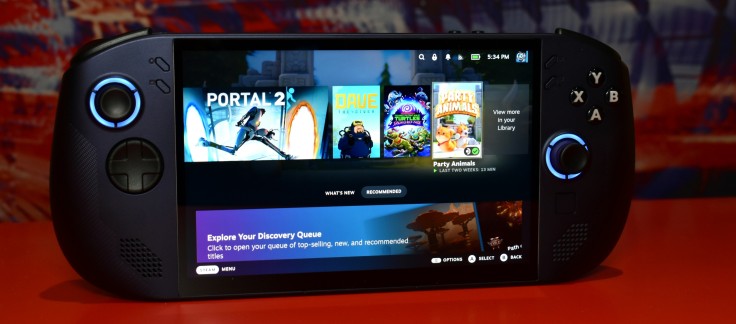
Handheld gaming PC comparison in 2026 highlights the Steam Deck OLED, ROG Ally X, and Lenovo Legion Go S as top travel gaming PC options. These devices balance power, portability, and battery life, making them ideal for airport waits, hotel rooms, or daily commutes. Steam Deck vs ROG Ally vs Lenovo Legion Go differ in operating systems, with SteamOS offering seamless Steam integration while Windows devices provide access to Game Pass, Epic Games, and other platforms.
Travel gaming PC buyers prioritize lightweight designs, extended battery life exceeding two hours, and vibrant displays for immersive play on the move. Docking capabilities allow these handheld PCs to transform into portable workstations, supporting external monitors, productivity apps, and multitasking during extended trips. Choosing the right device requires weighing performance, comfort, and ecosystem compatibility for both gaming and travel convenience.
What Is the Best Handheld Gaming PC Comparison for Travel in 2026?
For travelers and on-the-go gamers, choosing the right handheld gaming PC depends on performance, battery life, and portability. In 2026, three devices stand out for travel gaming PC enthusiasts: Lenovo Legion Go S, ROG Ally X, and Steam Deck OLED. Each device offers unique strengths for different gaming priorities, from Windows versatility to Steam integration and ergonomic comfort.
- Lenovo Legion Go S – Features an 8.8-inch 144Hz QHD display, AMD Ryzen Z2 Extreme processor, 16GB RAM, and ergonomic grips designed for long gaming sessions, making it a top pick for travel gaming comfort.
- ROG Ally X – A Windows powerhouse with Ryzen AI Z2 Extreme, 24GB LPDDR5X RAM, and an 80Wh battery delivering 3–10 hours of gameplay, plus an Xbox-optimized UI ideal for Game Pass users on the go.
- Steam Deck OLED – Offers a 7.4-inch HDR OLED 90Hz screen, custom AMD APU, 16GB LPDDR5, and 512GB–1TB storage, with SteamOS ensuring seamless library access and 2–8 hours of battery life for budget-conscious travelers.
How Do Battery Life and Portability Compare in Steam Deck vs ROG Ally vs Legion Go?
Battery life is a key factor for travel gaming PCs. ROG Ally X leads with an 80Wh battery, supporting 1080p gaming for 3–10 hours depending on TDP mode. Steam Deck OLED efficiency stretches a 40Wh battery to 2–12 hours for lighter titles. Legion Go S has a 49–55Wh battery, yielding 1.5–6 hours during intensive play, though detachable controllers allow FPS mouse mode and productivity multitasking.
Portability considerations vary. ROG Ally X is the slimmest at 1.34 lbs, Steam Deck weighs 1.41 lbs, and Legion Go is 1.88 lbs. The larger Legion Go screen offers immersive 8.8-inch viewing, while lighter devices prioritize ease of carrying during travel. Travel gaming PC buyers must balance screen size, comfort, and battery life for long trips.
Which Device Wins Performance in Steam Deck vs ROG Ally vs Lenovo Legion Go?
Performance benchmarks favor ROG Ally X, achieving 35–45 FPS in Cyberpunk 2077 at 1080p Ultra. Legion Go S follows with 30–40 FPS, optimized for AAA titles, and Steam Deck reaches 25–30 FPS using FSR for stable 30FPS experiences.
Thermal solutions differ: ROG Ally uses a vapor chamber sustaining 30W, Legion Go features active cooling with hall effect sticks, and Steam Deck relies on a passive design prioritizing efficiency over peak performance. Travel gaming PC versatility is strongest on Windows handhelds, supporting Epic Games, Battle.net, and emulation, while Steam Deck's Proton compatibility covers 98% of the Steam library with precise trackpad navigation for desktop use.
Pricing, Features, and Ecosystem Advantages
Handheld gaming PC comparison shows Steam Deck OLED priced at $549–649, ROG Ally X at $899–999, and Legion Go S at $699–799. All support microSD expansion for portable library growth.
Docking capabilities enhance usability: Legion Go outputs up to 144Hz to external monitors, ROG Ally features Armoury Crate TDP controls, and Steam Deck's DisplayPort dock converts the device into a portable workstation. Each device excels in different scenarios: Steam Deck for budget-friendly gaming, ROG Ally for performance and Game Pass access, and Legion Go for immersive visuals and ergonomics during travel.
Choose Your Perfect Travel Gaming PC for 2026
Handheld gaming PC comparison highlights Steam Deck vs ROG Ally vs Lenovo Legion Go as the best travel gaming PCs for 2026. Each device offers unique strengths depending on gaming priorities, portability needs, and ecosystem preferences. Steam Deck ensures seamless access to Steam libraries with lightweight design and moderate battery life.
ROG Ally provides Windows versatility, longer battery life, and high performance for AAA gaming. Legion Go balances screen size, ergonomics, and docking flexibility for immersive travel experiences. Choosing the right handheld PC depends on whether priority is portability, performance, or ecosystem integration.
Frequently Asked Questions
1. Which handheld gaming PC has the best battery life for travel?
ROG Ally X leads with an 80Wh battery, offering 3–10 hours depending on TDP mode. Steam Deck OLED can last 2–12 hours for lighter games. Legion Go S provides 1.5–6 hours of intensive gameplay. Battery life depends on usage, settings, and game demands.
2. How do Windows vs SteamOS affect performance and compatibility?
Windows handhelds like ROG Ally and Legion Go run Epic Games, Game Pass, and Battle.net natively. Steam Deck's SteamOS uses Proton for 98% Steam library compatibility. Windows allows more software flexibility. SteamOS ensures optimized performance for Steam titles with minimal configuration.
3. Which device is most portable for travel gaming?
ROG Ally X is the lightest at 1.34 lbs, making it easiest to carry. Steam Deck weighs 1.41 lbs, still comfortable for commuting. Legion Go is larger at 1.88 lbs but offers an 8.8-inch immersive display. Portability depends on the balance between weight and screen size preference.
4. Are docking and external monitor options available?
Yes, all three devices support docking. Steam Deck uses DisplayPort for external monitors. ROG Ally includes Armoury Crate controls for optimized docked use. Legion Go supports 144Hz output, enabling productivity or immersive desktop-style gameplay during travel.
Originally published on Tech Times


