
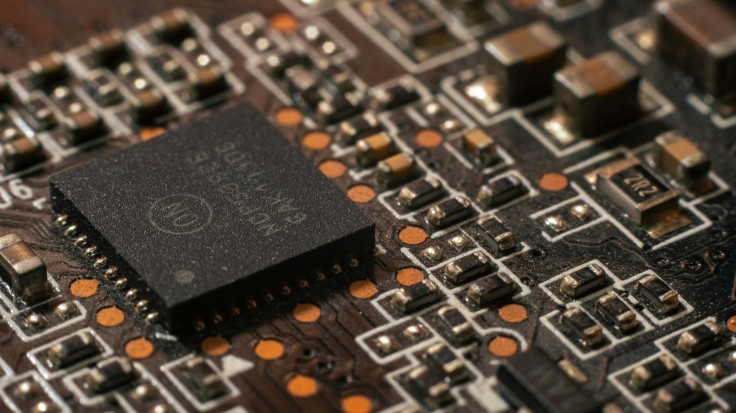
Qualcomm is moving deeper into the affordable PC market with the Qualcomm Snapdragon C processor, a new ARM-based chip designed for cheaper Snapdragon laptops and entry-level budget Windows laptops. After focusing heavily on premium AI PCs powered by Snapdragon X Elite chips, Qualcomm is now targeting students, casual users, and buyers who simply want a low-cost Windows laptop with strong battery life.
Still, lower prices come with clear trade-offs. While the Qualcomm Snapdragon C platform may offer impressive efficiency and portability, these budget Windows laptops are not designed to replace premium ultrabooks or gaming systems.
What Is the Qualcomm Snapdragon C Processor?
The Qualcomm Snapdragon C processor is a lower-cost ARM chip built specifically for affordable Windows laptops. Unlike Qualcomm's premium Snapdragon X Elite processors, Snapdragon C uses older Kryo CPU cores instead of the newer Oryon architecture.
That means the chip is aimed at basic everyday computing rather than demanding workloads. Qualcomm appears to be targeting users who mainly need laptops for:
- Web browsing
- Streaming
- Online classes
- Office applications
- Video calls
- Social media
- Light multitasking
This makes Snapdragon laptops powered by Qualcomm Snapdragon C more comparable to entry-level ultrabooks and Chromebooks rather than high-performance Windows PCs.
The Verge also noted that Qualcomm's strategy focuses on lowering prices while still offering key ARM advantages such as battery efficiency and lightweight laptop designs.
Why Qualcomm Is Targeting Budget Windows Laptops
The affordable laptop market remains one of the biggest areas in consumer technology. Many buyers simply want reliable devices for school, remote work, and entertainment without paying premium prices.
Qualcomm sees several reasons to expand into this space.
Better Battery Life
Battery life has become one of the biggest selling points for ARM-based laptops. Snapdragon processors generally consume less power than traditional Intel or AMD chips, allowing laptops to last longer on a single charge.
For many users, especially students and travelers, battery life matters more than maximum processing power.
Growing Interest in ARM PCs
ARM computing has gained attention in recent years for its efficiency and portability. Buyers now expect:
- Thin and lightweight laptops
- Cooler operating temperatures
- Instant wake functionality
- Longer standby time
- Quiet performance
Qualcomm wants Snapdragon laptops to deliver those same benefits at lower prices.
Competition With Chromebooks
Chromebooks continue to dominate many school and entry-level markets because they are inexpensive and easy to use. Qualcomm Snapdragon C could give budget Windows laptops a stronger alternative by combining Windows compatibility with ARM efficiency.
What Snapdragon Laptops Could Do Well
Even though Qualcomm Snapdragon C targets lower-cost systems, these laptops may still offer several advantages over traditional entry-level Windows machines.
Longer Battery Performance
One of the biggest strengths of Snapdragon laptops is power efficiency. ARM processors typically consume less energy for everyday tasks like browsing, video streaming, and office work.
That could allow budget Windows laptops powered by Snapdragon C to provide:
- Longer screen time
- Better standby battery life
- Improved travel portability
- Less heat during normal use
For casual users, this may become one of the most attractive features.
Thinner and Quieter Designs
ARM processors usually generate less heat than traditional x86 chips. Because of this, manufacturers can create thinner laptops with quieter cooling systems.
Many Snapdragon laptops may feature:
- Fanless cooling
- Slim chassis designs
- Lightweight builds
- Reduced system noise
These design improvements help make entry-level laptops feel more modern.
Faster Everyday Responsiveness
Qualcomm continues to promote smartphone-like responsiveness on ARM laptops. Instant wake functionality and quick app launch times can help Snapdragon laptops feel smoother during light, everyday use.
While these systems are not built for demanding workloads, they could still feel responsive for typical daily tasks.
The Major Trade-Offs Buyers Should Expect
Although the Qualcomm Snapdragon C could help make ARM laptops more affordable, several compromises are associated with the lower price.
Lower Performance Than Premium Snapdragon Chips
The biggest limitation is the use of older Kryo CPU cores rather than Qualcomm's newer Oryon architecture.
Because of this, Snapdragon C laptops may struggle with:
- Heavy multitasking
- Advanced video editing
- Large creative projects
- Professional software
- High-end gaming
These laptops are designed for light productivity rather than performance-intensive workloads.
Gaming Will Be Limited
Gaming remains one of the weaker areas for ARM-based Windows systems. Snapdragon laptops powered by Qualcomm Snapdragon C are not intended for AAA gaming experiences.
Potential limitations include:
- Lower graphics performance
- Game compatibility problems
- Reduced support for anti-cheat systems
- Limited optimization for ARM hardware
Cloud gaming and lightweight games may work fine, but serious gamers will likely prefer AMD or Intel laptops.
App Compatibility Is Still Improving
Windows on ARM compatibility has improved significantly over the past few years. Microsoft's Prism emulation technology allows many traditional Windows applications to run properly on ARM devices.
Popular apps like:
- Microsoft Office
- Chrome
- Edge
- Zoom
- Spotify
- Discord
already work well on Snapdragon laptops.
However, some older programs and specialized software may still experience compatibility issues. Reports from Windows Central and Microsoft community forums continue to mention occasional problems with legacy applications and certain professional tools.
For casual users, this may not be a major issue. For advanced users, compatibility could still matter.
Which Companies Are Launching Snapdragon C Laptops?
Qualcomm has already confirmed partnerships with several major manufacturers, including:
- Acer
- HP
- Lenovo
One of the first announced models is the Acer Aspire Go 15 powered by Snapdragon hardware.
Expected specifications include:
- 15.6-inch Full HD display
- Up to 8GB RAM
- SSD storage
- USB-C ports
- Wi-Fi 6E support
- Battery-focused design
These systems are expected to compete directly with affordable Intel laptops and Chromebooks.
Could Qualcomm Snapdragon C Compete With Chromebooks?
One of Qualcomm's biggest goals appears to be challenging Chromebooks in the low-cost laptop category.
Chromebooks became popular because they offer:
- Affordable pricing
- Lightweight software
- Good battery life
- Simple user experiences
Budget Windows laptops powered by Qualcomm Snapdragon C could potentially offer similar advantages while still running the full Windows operating system.
That may attract:
- Students
- Families
- Casual home users
- Remote workers
- Buyers looking for secondary laptops
As CNET pointed out, Qualcomm's broader strategy focuses on bringing Windows on ARM into the mainstream rather than limiting Snapdragon laptops to expensive premium devices.
Why Qualcomm Snapdragon C Could Matter for Budget Windows Laptops
The Qualcomm Snapdragon C processor represents an important step for affordable ARM-based Windows computing. Instead of focusing entirely on flagship AI PCs, Qualcomm is now targeting the much larger market for budget Windows laptops.
For many users, Snapdragon laptops may provide enough performance for everyday tasks while offering stronger battery life and quieter designs than traditional entry-level systems. At the same time, buyers should understand that lower prices also mean lower performance and occasional software limitations.
If Qualcomm can deliver affordable pricing alongside reliable compatibility and efficiency, Qualcomm Snapdragon C could become one of the most important developments in the future of budget Windows laptops.
Frequently Asked Questions
What is the Qualcomm Snapdragon C processor?
The Qualcomm Snapdragon C processor is an ARM-based chip designed for affordable Windows laptops focused on battery efficiency and everyday computing.
2. Are Snapdragon laptops good for everyday use?
Yes. Snapdragon laptops work well for web browsing, office tasks, streaming, online classes, and general productivity.
3. Can Snapdragon laptops run normal Windows apps?
Most common Windows applications run properly on Snapdragon laptops, though some older or specialized software may still face compatibility issues.


